EV models: Should you pay more for 100 km?
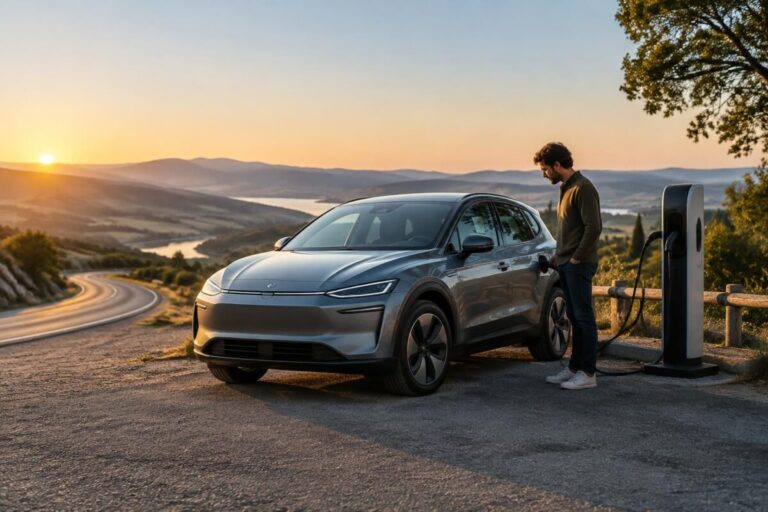
Hello, it’s Xérian. Yes, pay more for just 100 km of extra range only if that reserve meets your regular driving needs or saves you inconvenient stops. For everyday driving, a less expensive model may offer better value for money. Focus on comparing the purchase price, real-world consumption, and your charging options.
TRY THIS NOW
- Note the distance of your usual trips and the longest trip you make regularly.
- Check the claimed electric range, then allow for a buffer for cold weather and highway driving.
- Compare consumption in kWh/100 km, not just the range in kilometers.
- Calculate the cost of charging at home and at the charging stations you actually use.
- Ask yourself whether the extra 100 km will save you a stop or meet an occasional need.
100 km of extra range: what you’re really paying for
Greater range offers more flexibility, but it doesn’t automatically reduce the cost per kilometer. Two comparable EV models can cost almost the same to charge for 100 km, even if one can travel farther between charges.
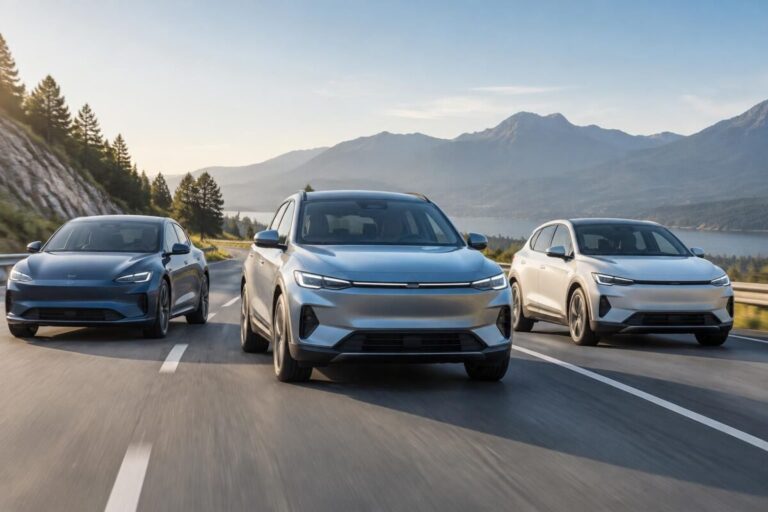
The additional purchase cost may pay for a larger car battery or a more efficient model. To compare properly, also look at the weight, consumption, and prices of electric vehicles with similar equipment. The models with the longest range aren’t necessarily the cheapest to run.
In 2026, the base regulated electricity rate is €0.2001 per kWh. With a median consumption of 17.2 kWh/100 km, charging at home costs about €3.44 per 100 km. This is a ballpark figure: the model, weather, and type of journey all affect the result.
Charging costs depend first and foremost on consumption
For the models monitored, the stated cost of charging at home ranges from about €2.44 to €5.90 per 100 km, depending on the vehicle. A more efficient model can therefore lower your bill, even if it has fewer kilometers of range.
For comparison, a gasoline car consuming 7.7 L/100 km costs about €16.49 per 100 km with SP95-E10 at €2.141/L, based on the price recorded on October 23, 2026. The difference compared with electric driving depends, however, on where you charge: a fast-charging station on the highway generally costs more than charging at home.
| Reference | Approximate figure | Takeaway |
|---|---|---|
| Home charging, median model | About €3.44/100 km | Calculated using 17.2 kWh/100 km and €0.2001/kWh |
| Home charging, models monitored | About €2.44 to €5.90/100 km | Efficiency varies by model and conditions |
| Gasoline, for comparison | About €16.49/100 km | 7.7 L/100 km and €2.141/L |
Choose electric range based on your driving
WLTP figures are useful for comparing vehicles under common conditions, but they don’t perfectly predict every journey. High speeds, cold weather, or heating can increase consumption; in winter on the highway, leave yourself a buffer rather than relying on the maximum claimed figure.
To assess your practical needs before buying, check out these tips for choosing a model based on its range. The key is to make sure the range covers your frequent trips without making you pay for a reserve you’ll rarely use.
Two scenarios to help you decide
If you mainly take local trips and charge at home, a moderate range may be enough. Regular overnight charging often makes up for not having an extra 100 km, without requiring you to change your habits.
If you often travel long distances or can’t charge at home, greater range can reduce stops and make planning easier. In that case, it’s more valuable for comfort and flexibility than for directly reducing charging costs.
A common scenario: a driver compares two spec sheets, then chooses the model with the longest listed range without checking its highway consumption. But a more efficient car can cover a similar distance with a smaller battery. The best balance between price and use comes down to the whole package, not just one figure.
Compare the purchase price and costs over several years
Assess the extra cost over the ownership period, not just when you sign the contract. Compare the additional purchase price, energy costs, the incentives you’re actually eligible for, and the estimated resale value. Don’t treat a quoted incentive as if it were automatically paid.
Also check the warranty and the terms relating to the battery. A long range can be appealing, but on its own it doesn’t make up for an excessively high price or after-sales service that doesn’t meet your needs.
A simple three-step process
- Step 1: List your usual trips, annual mileage, and recurring long journeys. Separate regular needs from occasional vacations.
- Step 2: Compare two or three models based on consumption, charging costs, and price for similar equipment. For home charging, multiply the kWh/100 km figure by your electricity plan’s rate.
- Step 3: Calculate the additional cost over your planned ownership period. Pay more if the extra range genuinely improves your frequent trips; otherwise, choose the less expensive or more efficient model.
Keep this in mind: paying more for 100 km can make sense when those kilometers make a real difference to your trips. If you never use that reserve, lower consumption and a reasonable purchase price often matter more.
Frequently asked questions about EV models and 100 km
Does an electric car with more range cost less per 100 km?
Not necessarily. The cost depends mainly on consumption in kWh/100 km, the charging rate, and the model. A larger battery mainly provides more leeway between charges.
How much does 100 km in an electric car cost when charging at home?
At the base regulated rate of €0.2001/kWh and a median consumption of 17.2 kWh/100 km, expect to pay about €3.44. The amount varies depending on the vehicle and driving conditions.
Are the extra 100 km of WLTP range always available?
No. Cold weather, highway driving, speed, and heating can reduce real-world range. Leave yourself a buffer for your trips, especially in winter or when charging stations are far apart.
When is it worth paying more for a longer range?
The extra cost is worth considering if you often take long trips, can’t charge at home, or the extra range saves you inconvenient stops. For short, predictable journeys, a less expensive model may be enough.
Thanks for reading;Best regards; Xérian