EV battery: charging too fast, good idea or bad?
Hi, it’s Xérian. Charging too much isn’t necessarily a bad idea: for everyday use, aim for 20 to 80%, and save fast charging or 100% for when you really need it. An electric vehicle battery ages mainly when it stays at a very low or very high level for a long time, or is often exposed to heat and high charging power. For battery health, slow home charging is convenient, but an occasional fast charge won’t ruin the cells. The best approach is to adapt charging to your journey and the manufacturer’s instructions.
TRY THIS NOW
- Set the daily limit to around 80%, if the manufacturer allows it.
- Plug in the car when it gets close to 20%, without waiting until it’s completely drained.
- Save 100% charging for trips that genuinely require the full electric range.
- Use fast charging mainly when traveling, rather than making a habit of it at home.
- Check the manual’s recommendations, especially for an LFP battery.
Charging too much: what really wears out an EV battery
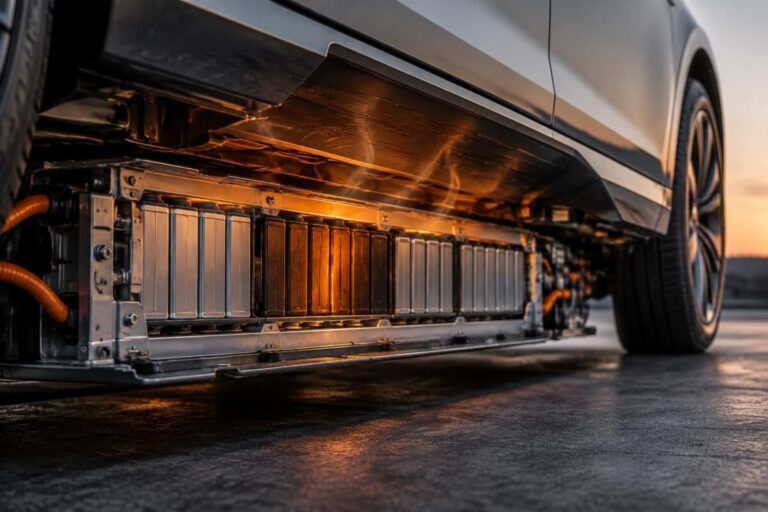
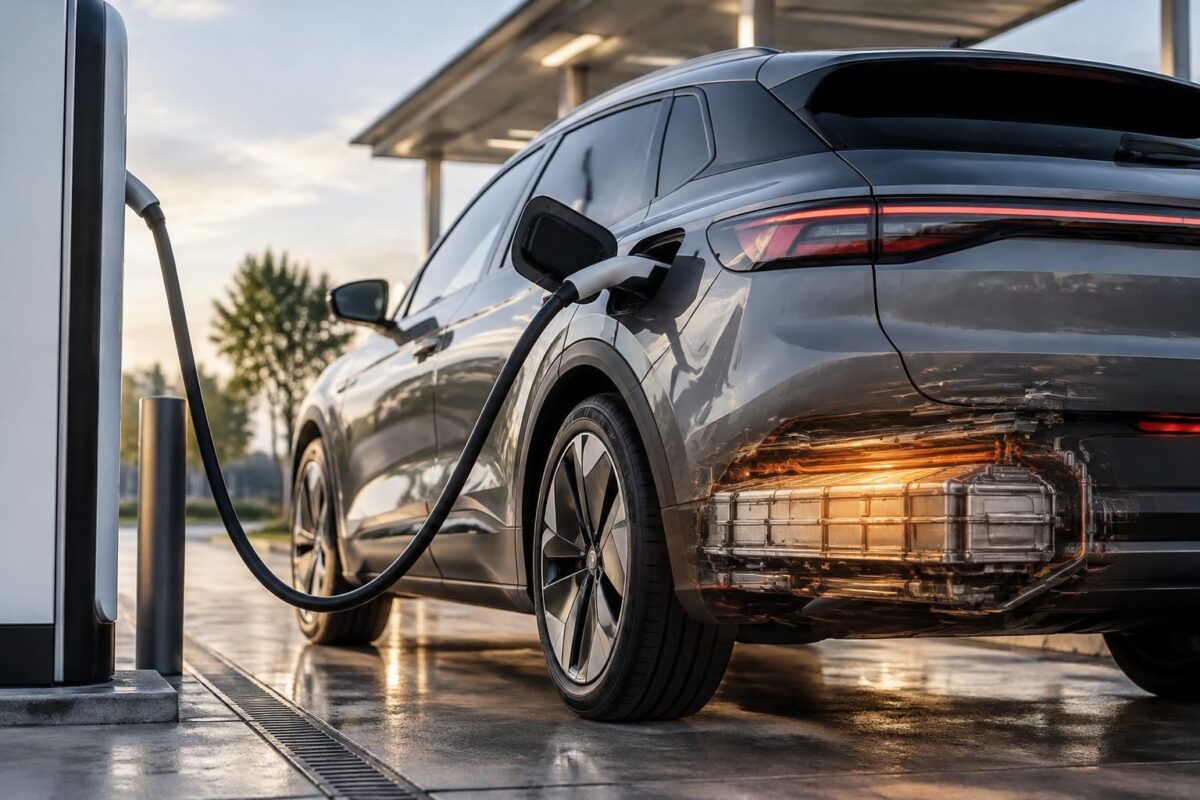
High power puts energy into the battery faster, but it also generates more heat. The vehicle’s thermal management system limits this effect; even so, repeated high-power fast-charging sessions can accelerate cell degradation, depending on the model, temperature, and driving habits.
A fleet analysis conducted by Geotab, covering more than 22,000 vehicles and several models, links frequent use of charging stations above 100 kW with faster wear. In the reported results, the average annual loss is around 3% for vehicles that are very often fast-charged, compared with nearly 1.5% for those that mainly use slower or lower-power charging. These figures are averages, not a prediction for every car.
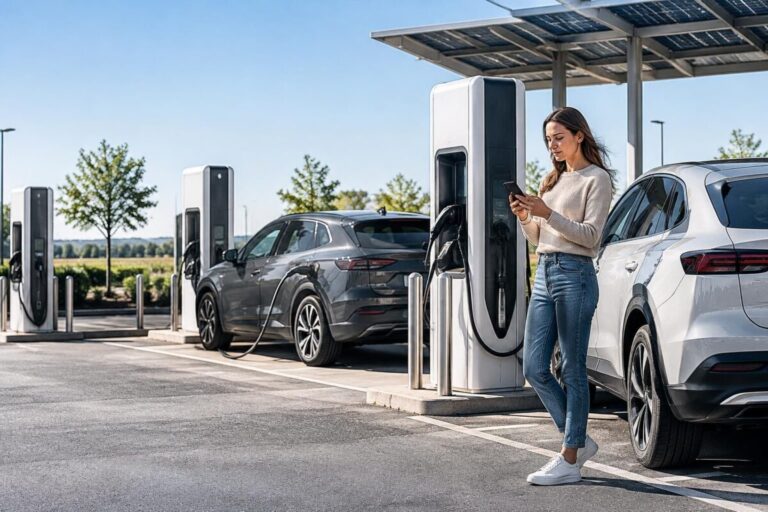
The picture is nuanced: fast charging doesn’t destroy the battery, but using it all the time can reduce its capacity more quickly. To understand when this option is still useful, also see this guide to the right time to choose a fast-charging station.
A fast charge isn’t dangerous every time
On the highway, getting a good portion of your range back in about twenty minutes can make the journey easier. The car’s system adjusts the power according to the battery’s condition and temperature, and charging often slows as the charge level rises.
In the reported Geotab data, the average capacity retained after eight years is around 88% with mostly slow charging, 83% with mixed use, and 78% with frequent fast charging. These estimates illustrate accelerated wear, not a battery that can no longer be used. The actual impact also depends on the battery chemistry, climate, and vehicle.
The 20–80% range: a useful guideline, not an absolute rule
For daily trips, generally staying between 20 and 80% is a simple habit. It avoids leaving the battery for a long time at extreme levels, where high voltage or a very low charge level can put extra strain on the cells.
You can still go above 80% when you need to. A full charge before a long trip is often a good idea; the main thing is to avoid regularly leaving the car parked at 100% for a long time. Some LFP batteries may also need a periodic full charge, depending on the manufacturer’s instructions: the manual is the reference.
| Situation | Recommended approach | Why |
|---|---|---|
| Daily trips | Set the target to around 80% | Avoids keeping the battery unnecessarily highly charged |
| Long trip planned | Charge to 100% shortly before departure | You get the full range without leaving the battery fully charged for a long time |
| Highway stop | Use a fast charger if needed | The time saved may justify the higher power |
| Car close to 20% | Recharge without waiting for a deep discharge | Avoids repeated very low charge levels |
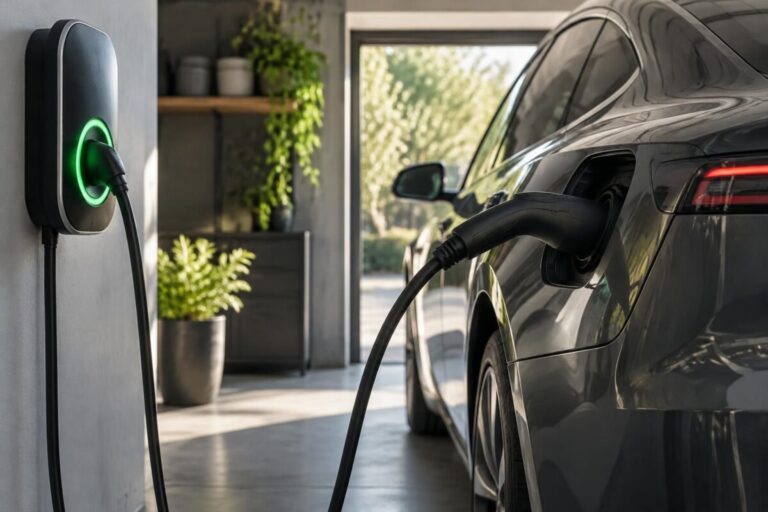
If it’s a daily commute: keep a limit that suits your needs, often close to 80%, and prioritize home charging if available.
If it’s a long trip: charging to 100% before setting off and making quick stops along the way are reasonable choices. Fast charging becomes a concern mainly when it replaces almost every other form of charging.
Three steps to choose the right charging power
- Step 1: estimate the energy you’ll need for your upcoming trips. For regular journeys, there’s no need to charge to the maximum every night.
- Step 2: choose the charging power to suit the situation. At home, slow or moderate charging is often suitable; when traveling, fast charging lets you get back on the road sooner.
- Step 3: check the temperature and settings. In cold weather, start preconditioning if your car offers it; in hot weather, look for a spot in the shade when possible.
An easy-to-miss detail: a very powerful charging station doesn’t guarantee continuously fast charging. The vehicle may reduce the power if the battery is cold, hot, or already well charged. To compare charging at home and on the road, here’s a guide to fast charging on the go and standard charging at home.
If charging doesn’t start, unplug and reconnect the cable at both ends, then check the message displayed. A communication issue between the charging station and the car may be the cause; switching stations may be enough. Certified equipment and vehicle updates also help make charging safer.
Charging best practices that extend battery life
- Avoid repeated deep discharges and don’t often let the battery fall below 20%.
- Use slow charging for regular needs, without ruling out fast charging on trips.
- Avoid leaving the car at 100% for a long time when it doesn’t need to be driven.
- Use cables and equipment that meet the manufacturer’s recommendations.
- Let the car manage the battery temperature and install available updates.
An occasional full charge or a quick charging stop shouldn’t be a cause for concern. It’s mainly repeated habits, time spent at extreme charge levels, and thermal conditions that make the difference. To learn more about the effect of charging power, you can read this analysis of faster charging stations and their cost to the battery.
Frequently asked questions about charging an EV battery
Does charging an electric car to 100% damage the battery?
Not necessarily. Charging to 100% before a long trip is generally appropriate. Above all, avoid regularly leaving the car fully charged for long periods and follow the manufacturer’s recommendations.
Does fast charging reduce battery life?
Frequent, systematic use can accelerate wear, depending on the vehicle, temperature, and charging power. Occasional fast charging, especially when traveling, is a normal use case.
Should you always stay between 20 and 80%?
This range is a practical guideline for daily trips, not an absolute requirement. You can go beyond it when your journey calls for it, and take into account the guidance specific to your battery chemistry.
Can you plug in your electric car every night?
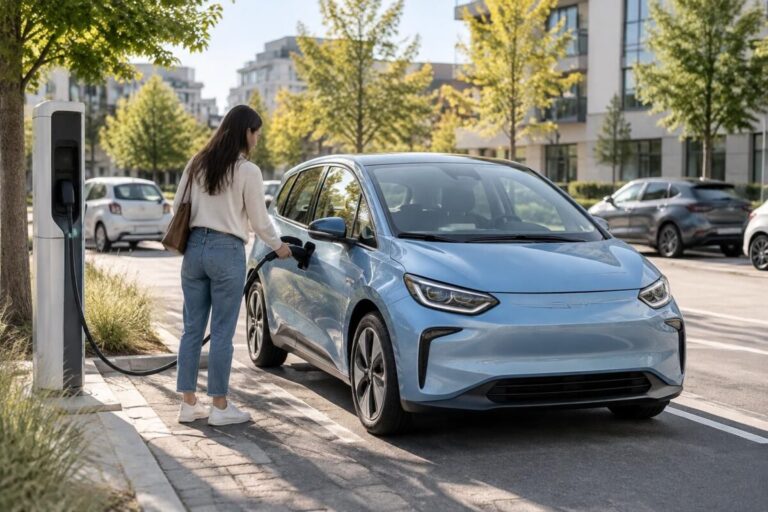
Yes, small, regular charges can be convenient. Set a limit that suits your travel needs and avoid keeping the battery at a very high level unnecessarily.
Thanks for reading;Best wishes; Xérian