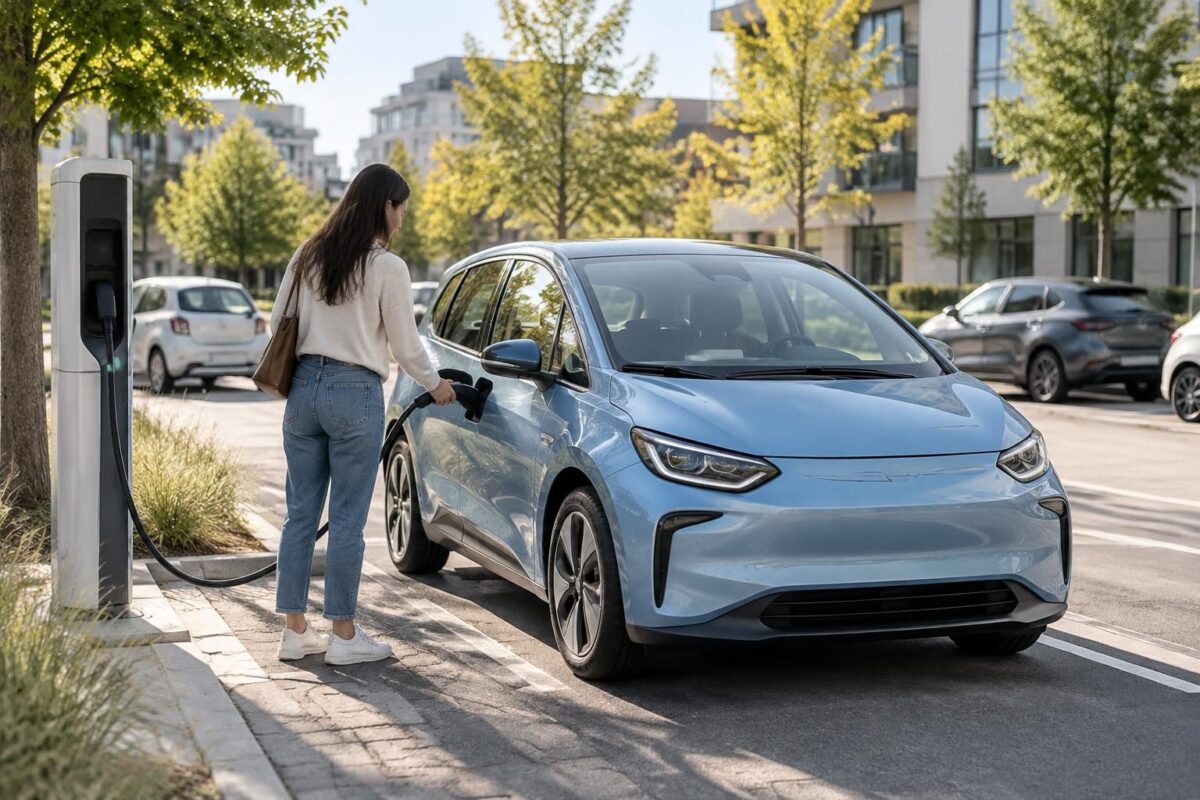
EV models: which electric car should you start with?
Hello, it’s Xérian. If you’re just getting started with electric cars, first take a look at the Citroën ë-C3 if you want a versatile car, or the Dacia Spring if most of your trips are around town and you’re on a tight budget. In 2026, the right EV isn’t necessarily the one promising the longest range: it’s the one that suits your trips and the way you charge. A few simple checks can help you avoid paying for a battery or features you won’t use much.
TRY THIS RIGHT AWAY
- Keep track of the distances you travel on your usual trips for a week.
- Check whether you can install home charging or easily access charging stations.
- Set a total budget that includes the purchase price, insurance, and charging.
- Compare the advertised range with the range you actually need.
- Book a test drive on a route similar to your daily commute, with the usual parking and traffic conditions.
Which electric car should you choose as a first-timer, based on how you drive?
For city driving and short trips, a compact electric city car may be enough. The Dacia Spring is aimed at tight budgets, while the Renault Twingo E-Tech relies on its small footprint to make parking easy.
If you want an affordable electric car that’s more versatile for outings and suburban trips, the Citroën ë-C3 is worth a test drive. Prices and versions vary depending on the offers available: check the actual price and included equipment before comparing.
Three EV models to look at first
| Model | Best suited to | What to check |
|---|---|---|
| Dacia Spring | Short city trips and a limited budget | Range and comfort on faster roads |
| Renault Twingo E-Tech | City parking and everyday travel | Size and equipment depending on the version |
| Citroën ë-C3 | Mixed driving and the need for a more versatile car | Final price, options, and charging time |
Advertised ranges don’t always match what you’ll get on the road. Cold weather, speed, and heating can reduce the distance you can travel; to compare, look for real-world range reports in conditions similar to yours.
Range, charging, and budget: the factors that affect everyday life
Start with the longest trip you make regularly, not the exceptional holiday journey. For many city and suburban trips, a real-world range of around 200 to 300 km may be enough; needs vary depending on the season and route.
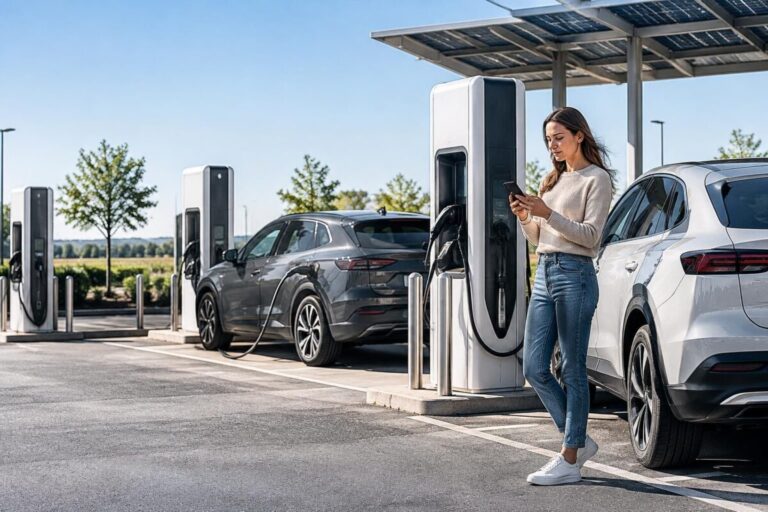
Home charging is often the most convenient option: the car charges overnight, without having to make a detour to a charging station. If you live in an apartment, check whether installation is possible in your parking area and locate public charging stations near your home and workplace.
Add the cost of a charger and its installation, if needed, to the purchase price. Depending on your home and the work required, the expense can run from several hundred to over a thousand euros; get a quote before finalizing your budget.
If it’s city driving… / If it’s the open road…
If it’s mostly city driving, prioritize a compact model that’s easy to park and simple to charge. A small battery may be suitable if your trips are short and you can charge frequently.
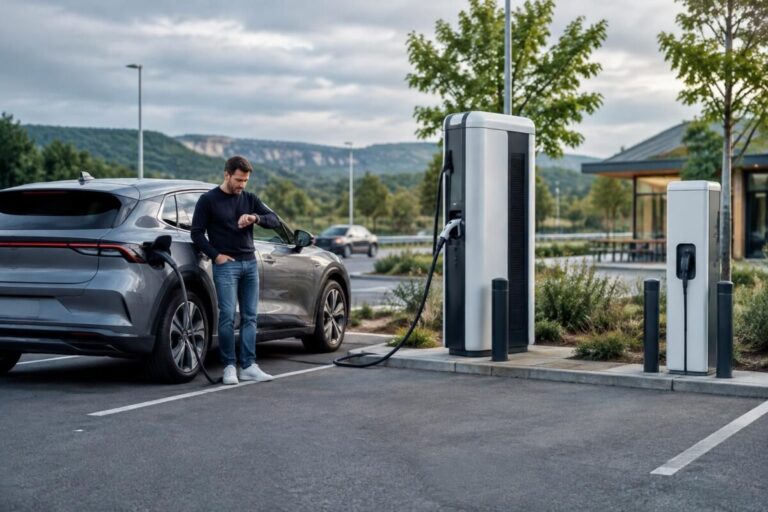
If it’s the open road, pay closer attention to comfort, range at higher speeds, and fast-charging power. A car that charges efficiently can make long trips much easier, even if it doesn’t have the longest maximum range.
Getting started with electric cars in three practical steps
- Step 1: measure your driving needs. Note your daily mileage, your longest trips, and the number of passengers. This will help you rule out models that are too small or unnecessarily expensive.
- Step 2: check your charging options. Confirm whether a charger is available at home or work. If you don’t have a private charging option, test the location and availability of the public chargers you’d actually use.
- Step 3: compare the total cost and take a test drive. Look at the price, insurance, charging, battery warranty, and any purchase incentives you may be eligible for. Then take a test drive: regenerative braking and the quiet ride can take some getting used to.
A common mistake is choosing a car for its maximum range, only to find out that it’s too big or too expensive for your usual trips. A test drive that includes a parking maneuver and a stretch of faster road often reveals more than a long technical specification sheet.
Purchase incentives and used electric cars
Purchase incentives depend on the rules in effect, the vehicle, and the buyer’s situation. Check the model’s eligibility and the amount available using official sources before signing: don’t factor an assumed incentive into your budget until it’s confirmed.
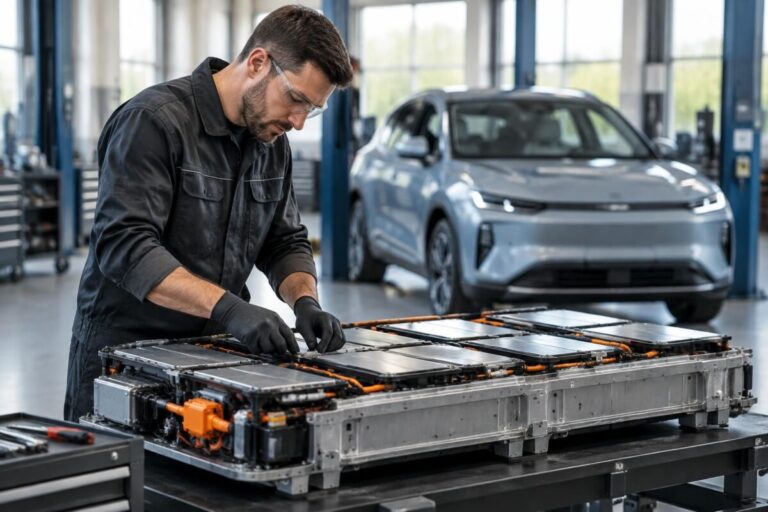
A used car can lower the upfront cost, but it requires careful checking. Ask for a battery diagnostic, review the maintenance history, and check how much warranty is left; for an electric vehicle, the battery’s condition matters as much as the mileage shown on the odometer.
The choice becomes easier when you set out your needs in the right order: trips, charging, budget, then model. For a first electric car, the least stressful choice is often the one you can charge easily and use without changing all your habits.
Useful questions before your first electric car purchase
What range do you need to get started with an electric car?
It depends on your trips. For regular city or suburban driving, a real-world range of around 200 to 300 km is often enough; allow for more if you frequently make long trips.
Can you manage without home charging?
Yes, especially in an area with good public charging coverage, but check station locations, availability, and cost before buying. Private charging is generally more convenient for everyday use.
Which EV model should you choose on a limited budget?
The Dacia Spring may suit mainly city driving. The Citroën ë-C3 is worth considering if you’re looking for more versatility; compare the actual prices offered and the equipment included.
What should you check before buying a used electric car?
Ask for a battery diagnostic, review the maintenance history, and confirm how much warranty is left. Also check that the vehicle meets your charging and driving needs.
Thanks for reading;Best wishes; Xérian