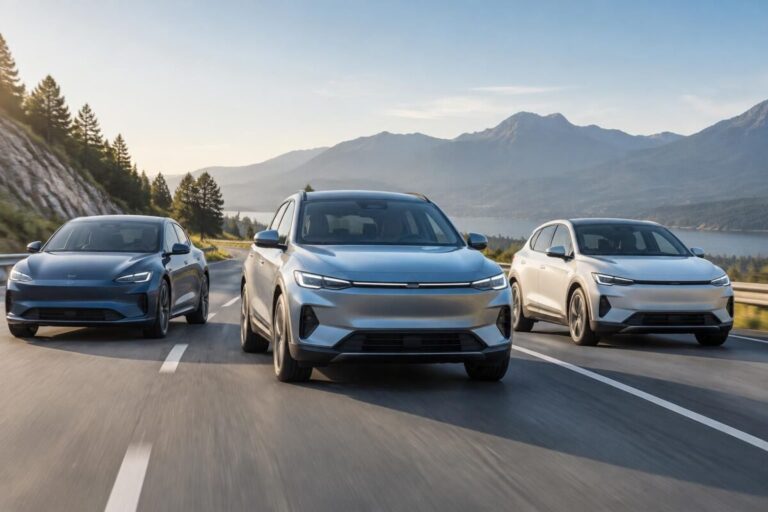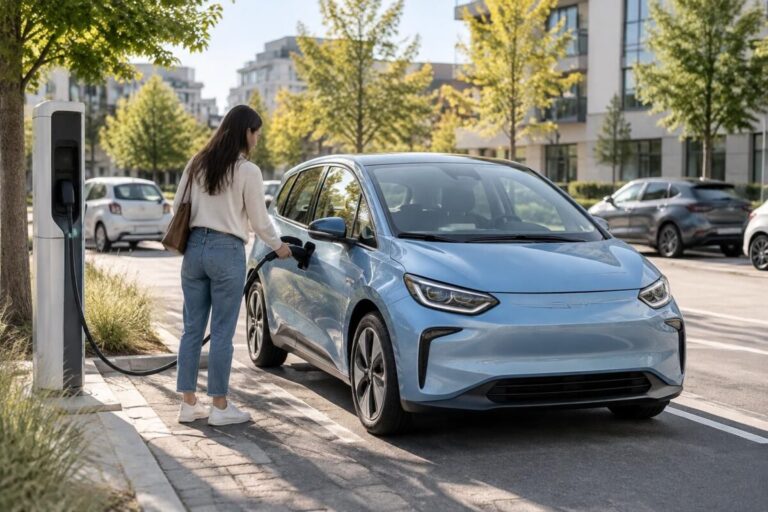
EV models: Which French model avoids the low starting-price trap?
Hello, Xérian here. The Citroën ë-C3 is a French car to consider first if you want to make sure an attractive starting price doesn’t hide the true cost of an electric car. Its value, however, depends on the trim you choose, usable range and final price after any applicable incentives.
An advertised price catches your eye, but it doesn’t always tell you what you’ll pay for a vehicle ready to handle your journeys. Here’s how to compare French EV models without confusing the list price with a good deal.
Things to do right away
- Identify the trim that matches your needs, not just the entry-level price.
- Check which features are actually included as standard.
- Ask for an itemized quote that includes delivery fees and options.
- Calculate the price after the environmental bonus, if you’re eligible.
- Compare the purchase price and running costs over several years.
The ë-C3 deserves a place in your EV comparison if you’re looking for an affordable French electric car. To see whether it suits your needs, also check out our analysis of French cars worth buying and this guide to the models that cost the least to own.
Why the list price isn’t enough for an electric car
The starting price often applies to an entry-level version, while photos and ads showcase a better-equipped trim. The difference may come down to the battery, charging, comfort or options that seem essential once the vehicle is configured.
Take Léa, who mainly drives in the city and makes a few suburban trips each week. A base version may suit her if its range and features meet her needs; for longer journeys, a higher trim or larger battery can significantly change the final bill.
So the best approach is to compare equivalent configurations. A car with a lower sticker price isn’t necessarily cheaper once you add the necessary features and take the purchase terms into account.
ë-C3, Renault 5 or Spring: compare the real cost
The Citroën ë-C3 is a sensible choice for anyone who prioritizes everyday use and an affordable starting price. The Renault 5 may appeal with its styling and character, while the Dacia Spring focuses on an urban format; in all three cases, the exact version matters more than the model name.
| What to check | What to verify | Why it matters |
|---|---|---|
| List price | Trim, battery and included features | The entry-level price may apply to a very basic configuration. |
| Actual price | Full quote, fees and selected options | It shows the amount you’ll need to finance for the vehicle you actually choose. |
| Environmental bonus | Eligibility and conditions in effect at the time of purchase | The final amount depends on the applicable rules and the buyer’s circumstances. |
| Standard equipment | Charging, driver-assistance features and comfort features | Missing equipment may lead to additional expenses. |
| Purchase cost | Down payment, financing, term and any potential trade-in value | The advertised price doesn’t tell you the total cost of the transaction. |
Prices and incentive schemes may change, so ask for a written offer and check the official incentives at the time you sign. Don’t automatically deduct the environmental bonus from a public price without checking the eligibility criteria.
A common pitfall: comparing two different trims
A very attractive offer may be for a version whose range, charging or features don’t suit your daily needs. Conversely, a higher trim may seem more expensive but could include features you would otherwise have added as options.
Compare the details of each offer line by line. If the seller quotes a price after incentives, also ask for the price before deductions and the associated conditions: this helps you distinguish a dealer discount, a government incentive and the list price.
Three steps to finding a French EV at the right price
- Define how you’ll use it. Note your usual journeys, whether you can charge at home and how many long trips you take each year. This helps you choose a suitable range instead of paying for unnecessary capacity.
- Configure comparable versions. For the ë-C3 and its alternatives, check the battery, charging, standard equipment and essential options. Then ask for a quote with the same equipment level.
- Calculate the final price. Include fees, financing and any incentives you’re actually eligible for. The best deal is the one that meets your needs without surprise expenses—not necessarily the one with the lowest starting price.
This approach helps you compare French EV models using concrete criteria. It also protects you from making a purchase based on a temporary promotion or a show-car version that’s difficult to compare.
Useful questions before choosing a French electric car
Which French electric car should I look at first?
The Citroën ë-C3 is worth considering if you’re looking for an affordable model for everyday journeys. Still, compare its trim and range with those of the Renault 5 and other alternatives based on how you’ll use it.
Does the starting price always include the features shown?
No. Images may show a higher trim or optional features. Check the list of standard equipment and ask for a quote that exactly matches the vehicle being offered.
How do I calculate the actual price after the environmental bonus?
Start with the itemized quote, then check your eligibility and the rules in effect at the time of purchase. Don’t assume you’ll receive an incentive until you’ve confirmed the conditions.
Should I choose the cheapest electric car?
Not necessarily. A more expensive version may be better suited to your needs if it offers the range and features you require, while an entry-level version may be enough for city driving. Compare the purchase cost with your actual needs.
Thanks for reading! Feel free to share your thoughts in the comments. — Xérian