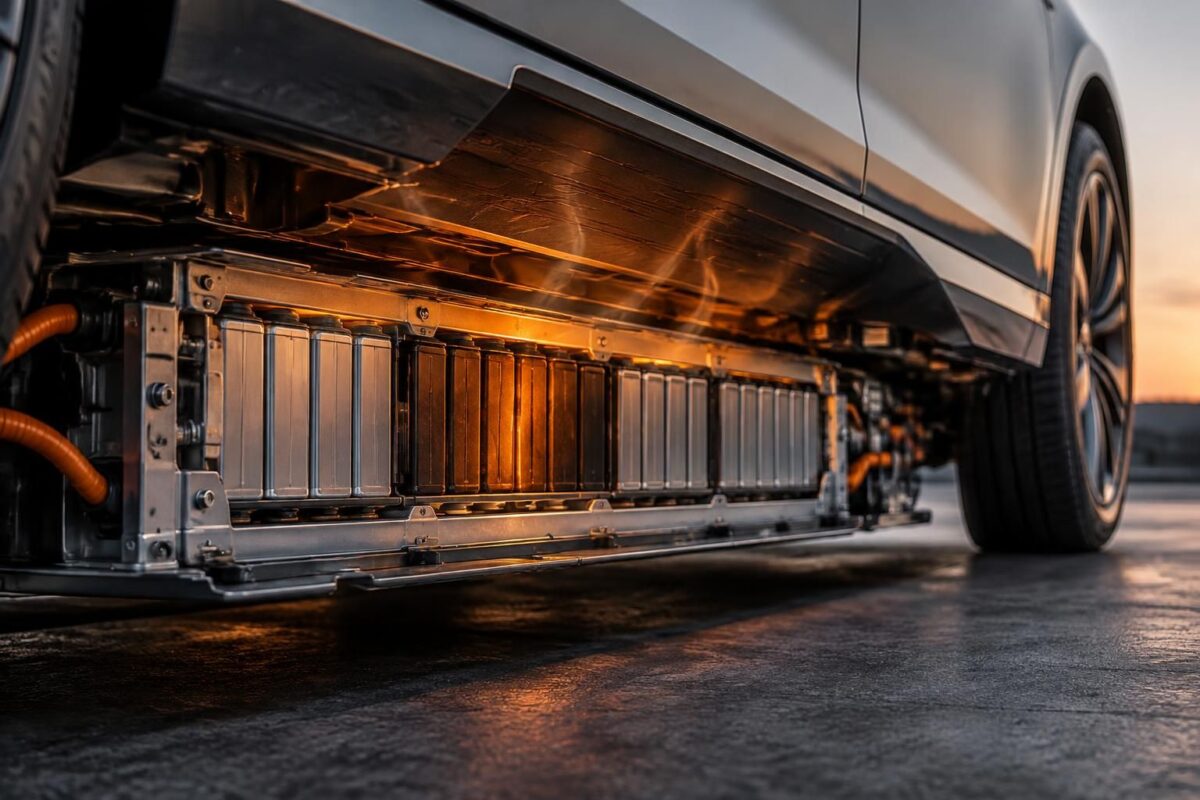
EV batteries: Is heat quietly wearing them out?
Hello, this is Xérian. Yes, sustained heat can accelerate the aging of electric vehicle batteries, but thermal management generally limits the risks. The main thing to watch out for is repeated exposure to high temperatures, especially when fast charging. A few simple steps can help preserve battery capacity and lifespan.
TAKE ACTION NOW
- Park in the shade or in a garage whenever possible.
- Avoid leaving the car in direct sunlight for a long time with a nearly full battery.
- Opt for scheduled charging rather than fast charging if you’re not in a hurry.
- Make sure the air intakes and the areas around the vehicle are not blocked.
- Check the manufacturer’s recommendations for the charge limit and preconditioning.
Heat and electric car batteries: what really happens
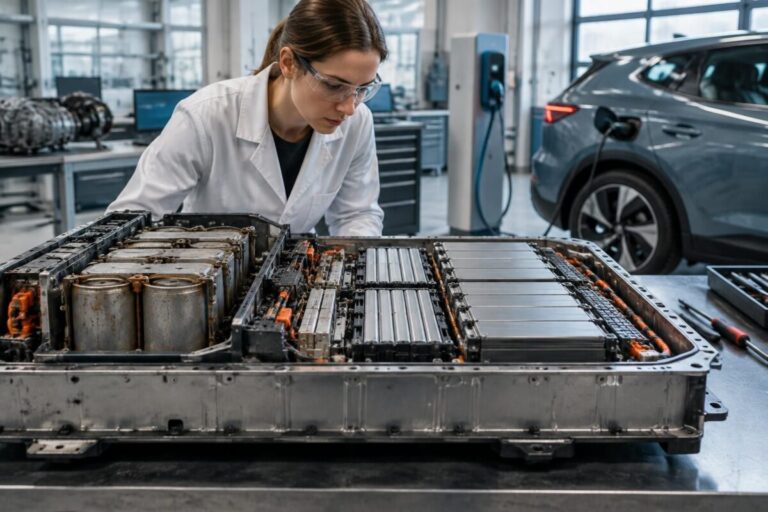
Lithium-ion cells operate within a suitable temperature range. A commonly cited range is around 15 to 45 °C, but the exact range depends on the chemistry, model, and conditions of use. So the battery can heat up without being in immediate danger: it’s mainly excessive, prolonged heat that deserves attention.
As the temperature rises, internal chemical reactions speed up. Over the long term, this can contribute to thermal degradation, battery aging, and a loss of capacity. The increase isn’t always visible on the dashboard: range may seem normal before gradual wear becomes noticeable.
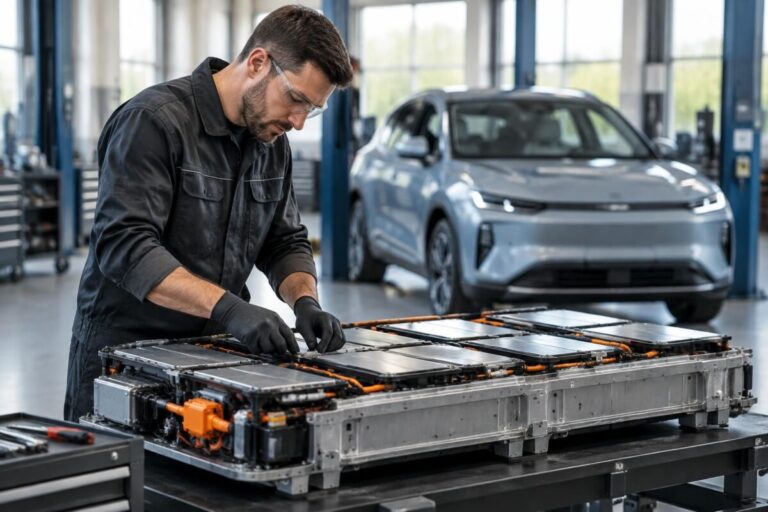
The good news is that many EVs have thermal management. Sensors monitor the battery, and a cooling system can remove heat. If the vehicle detects that the temperature is too high, it can also reduce charging power to protect the cells. Charging then takes longer, but this limitation is generally a protective measure.
Why fast charging calls for extra care
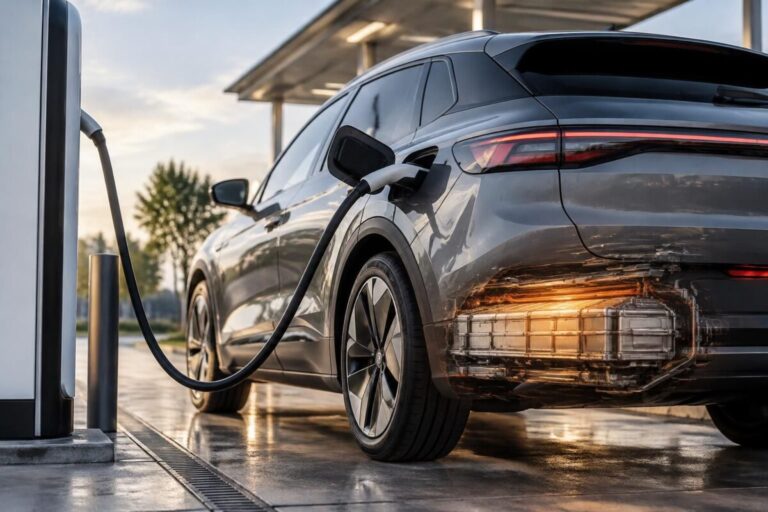
Fast charging generates more heat than low-power charging, especially when the battery is already hot or nearly full. In summer, doing several fast charges after a long drive can put more strain on the thermal system. A temporary drop in charging speed is often normal.
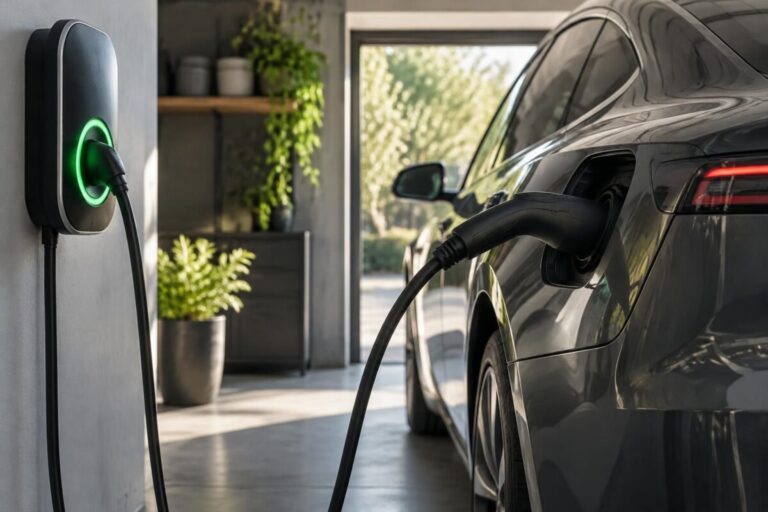
One easy-to-forget thing: leaving the car plugged in at 100% for several hours in very hot weather, even when you don’t have a trip planned. To better understand the habits that accelerate wear, see the common mistakes that shorten a battery’s lifespan.
High temperatures: distinguishing a drop in range from lasting wear
Heat can increase air-conditioning use, while the thermal system sometimes uses energy to cool the battery. You may then see fewer miles available on a charge. This temporary variation does not automatically mean a permanent loss of capacity.
To tell the difference, observe the range under comparable conditions: the same route, similar speed, and similar weather. A drop that persists for several weeks deserves more attention than a decline limited to a single heatwave day. Advice on declining range and signs to watch for can help put the figures into context.
| Situation | Possible effect | Helpful response |
|---|---|---|
| Parking in the sun for a long time | The battery and cabin can build up heat. | Choose a shady spot or a covered parking area. |
| Fast charging after a long drive | The battery may limit power to control its temperature. | Plan a break and let the system manage cooling. |
| Reduced range on a hot day | Air conditioning and thermal management can increase energy use. | Compare trips under similar conditions. |
Protect battery life in three steps
- Step 1: limit exposure. Keep the car in the shade as much as possible and avoid leaving it parked for a long time with a full battery in intense sunlight.
- Step 2: adjust your charging habits. For everyday trips, use the charge limit recommended by the manufacturer. Save fast charging for trips where it’s really useful.
- Step 3: monitor trends. Note the range under comparable conditions and check the vehicle’s diagnostics if an unusual drop persists.
If you’re going on a trip, fast charging is still convenient: let the vehicle manage the temperature and follow the navigation system’s instructions to prepare the battery before reaching the charging station. If the car will be parked for several days, choose a sheltered spot and avoid leaving it fully charged unless necessary.
So heat does not necessarily wear out the battery “silently” as soon as the weather gets hot. The risk depends mainly on the duration of exposure, usage, and the effectiveness of the thermal system. To get a better idea of the expected lifespan for different usage patterns, also see the information on EV battery lifespan.
Frequently asked questions about heat and EV batteries
Does summer heat immediately damage the battery?
No. A hot day generally does not cause significant degradation on its own. The risk increases mainly with intense, repeated exposure combined with a battery being kept at a high temperature for a long time.
Should fast charging be avoided in summer?
Not necessarily. The vehicle monitors the temperature and can reduce power if needed. For everyday charging, a more moderate power level is often enough; save fast charging for trips where the time savings matter.
Does a drop in range in hot weather mean the battery is worn out?
Not necessarily. Air conditioning and cooling can increase energy use. Compare several trips under similar conditions before concluding that there has been a lasting loss of capacity.
Should you charge the battery to 100% before every trip?
For everyday use, this is generally not necessary. Follow the manufacturer’s recommendation and reserve a full charge for trips that require it.
Thanks for reading; Best wishes; Xérian